Mike Minder
Follow Mike Minder on:
  • Home
  • Mike Minder
  • Wheeling's Gambling History to 1976
    • Ohio Valley History Blog

Today in Wheeling History: September 30--Cornerstone of Pythian Castle, corner of 27th and Chapline Streets, laid with Congressman Dovener officiating (1895)

9/30/2023

0 Comments

 
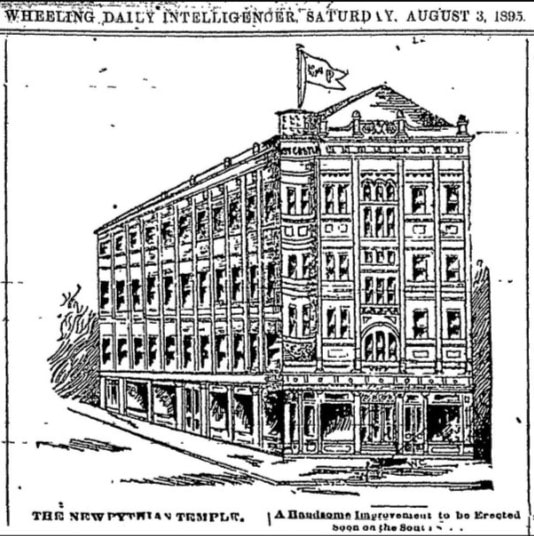
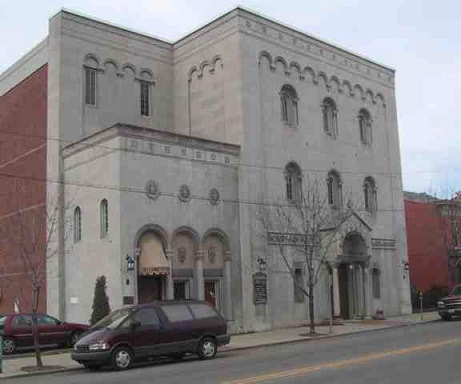
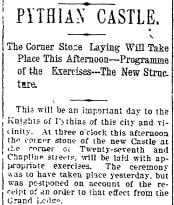
​Today in Wheeling History: September 30--Cornerstone of Pythian Castle, corner of 27th and Chapline Streets, laid with Congressman Dovener officiating (1895).
 
The cornerstone laying ceremony for the new Pythian Castle in Wheeling, West Virginia, an important event for the local Knights of Pythias, was postponed from September 29, 1895 to September 30 due to an order from the Grand Lodge. On September 30 at 3pm, the Knights gathered at the K.P. Hall on Market Street and marched with Master's band to the Castle site at 27th and Chapline Streets. The ceremony included songs, prayers, Capt. B.L. Dovener formally laying the cornerstone, an address by Hon. George Wesley Atkinson, and benediction. Once completed, the imposing Castle would serve as a splendid home for the Knights for many years. Members of Col. Bernard Shanley Division No. 21, Uniform Rank, K.P. were notified to participate in the ceremony.
 
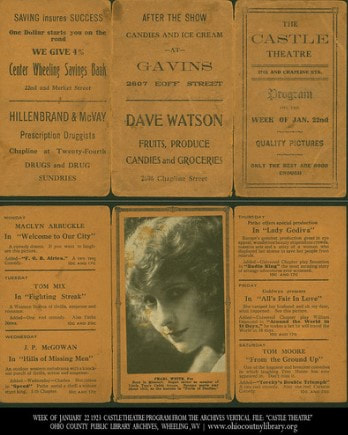
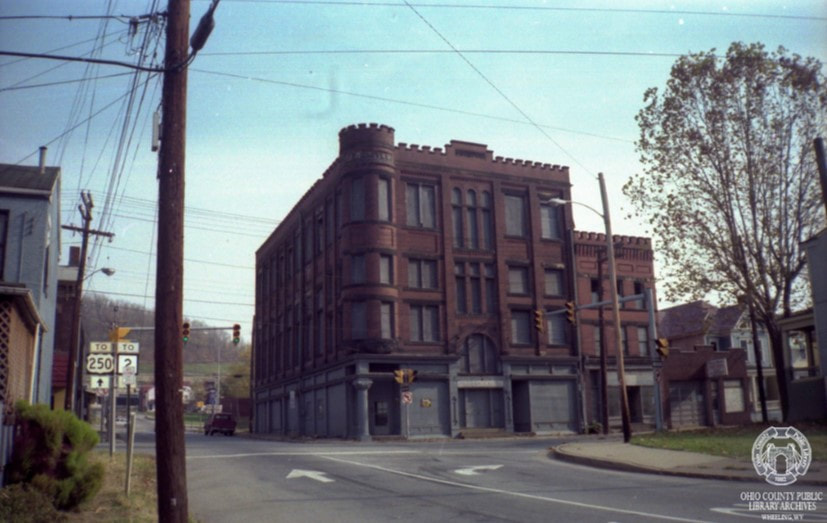
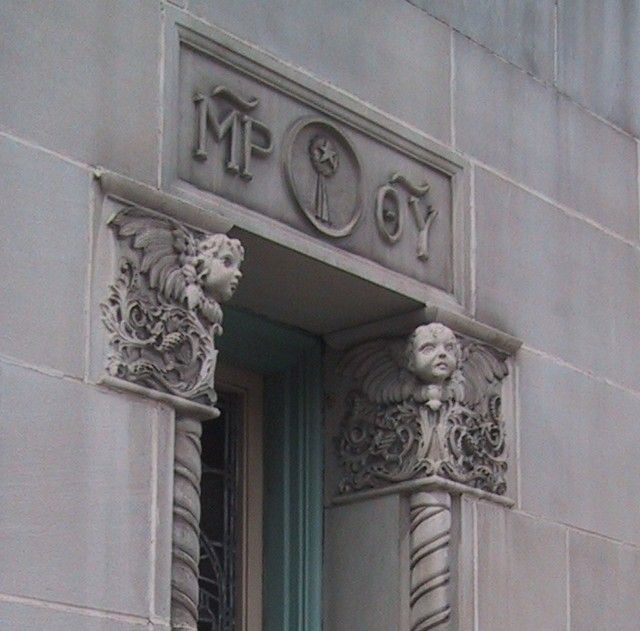
The Pythian Castle was built between 1895-1896 at the corner of 27th and Chapline Streets on the site of a former foundry. It was designed by the Wheeling firm Hamilton & Son as a meeting hall for the Black Prince Lodge No. 19 of the Knights of Pythias fraternal order. The interior lodge hall was elaborately decorated and there was an auditorium on the second floor that housed a theater in the early 1900s. The upper floors contained additional lodge rooms.
 
In later decades, the Castle housed various businesses like bars, a laundromat, and a bingo parlor. The Towne Club tavern located inside was frequented by young people.
 
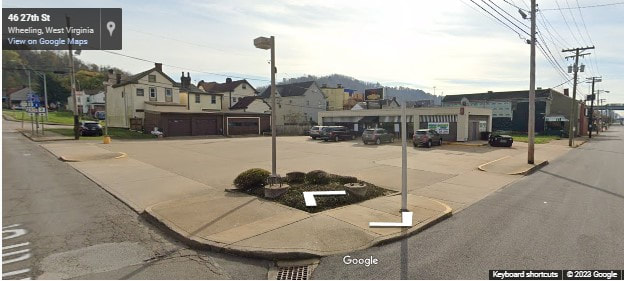
When the last member of the Black Prince Lodge died in the 1980s, the Grand Lodge sold the building. It was demolished in 1991. (https://tinyurl.com/22dxh6sk) (https://tinyurl.com/479efcue) (https://tinyurl.com/4y9dmzny) (https://tinyurl.com/34tsfj7s) 
Picture
Picture
Picture
Picture
Picture
0 Comments

Today in Wheeling History: September 30--Wheeling-LaBelle Nail Company Closes (2010)

9/30/2023

0 Comments

 
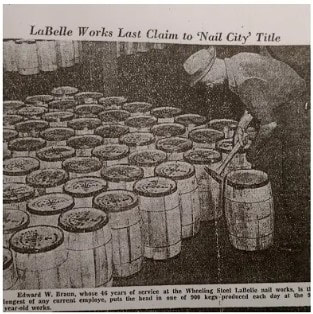
Today in Wheeling History: September 30-- Wheeling-LaBelle Nail Company closes (2010).
 
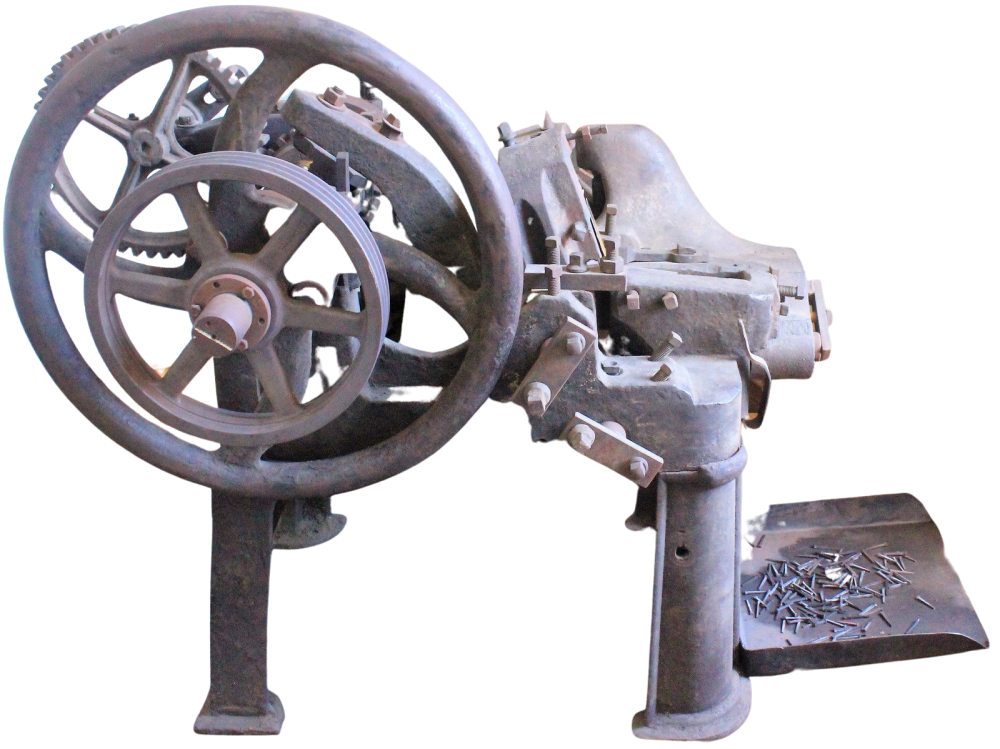
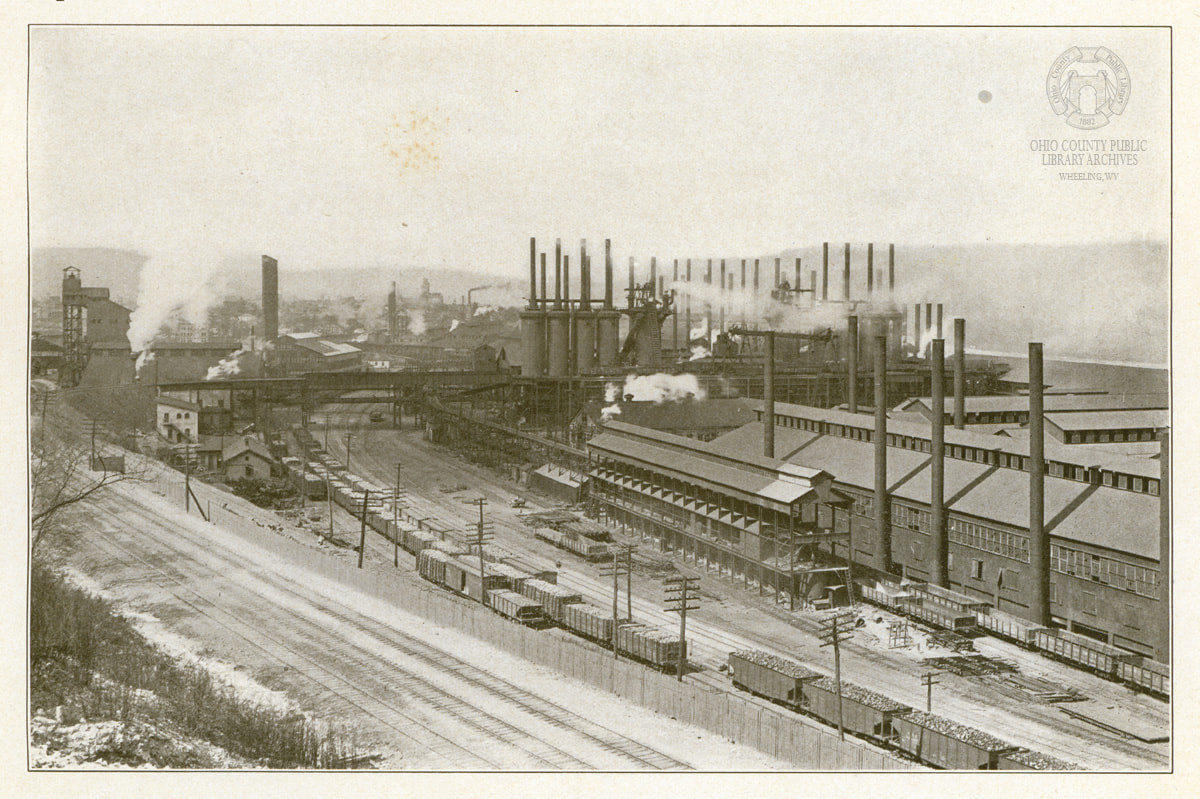
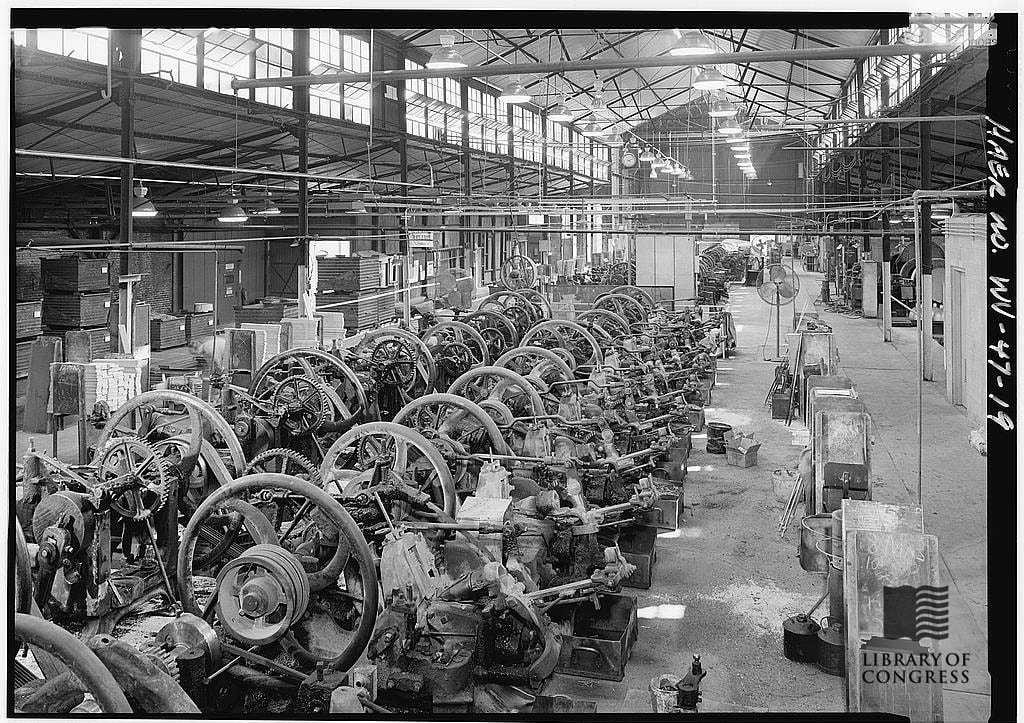
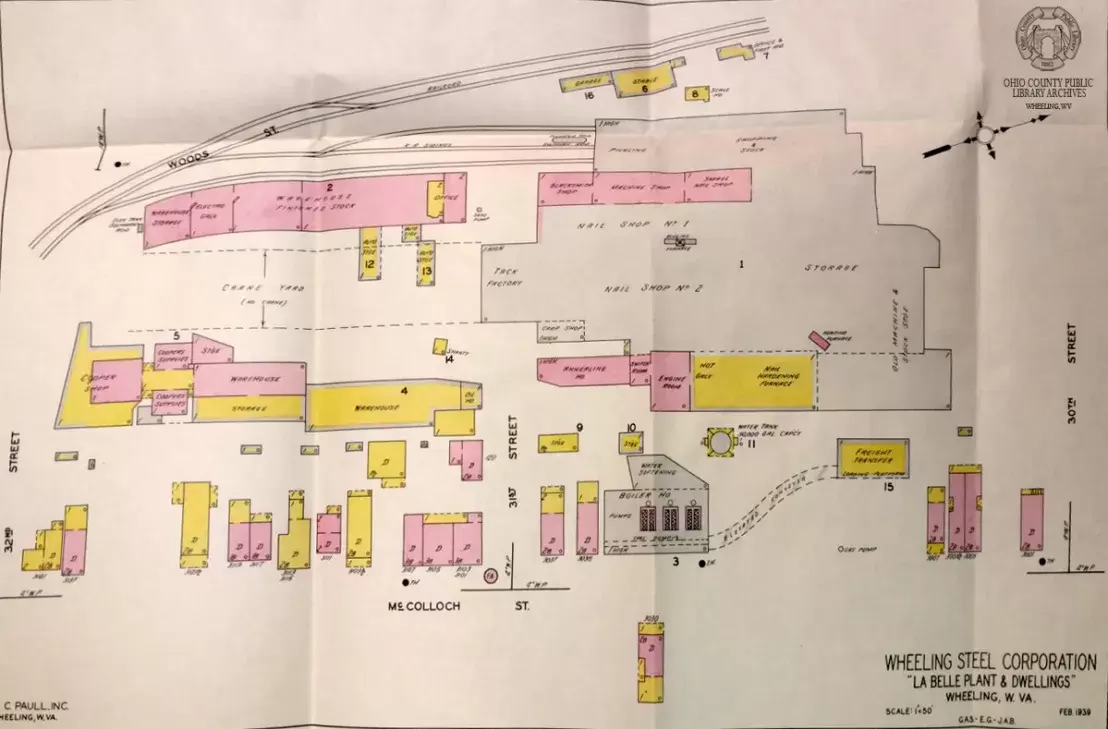
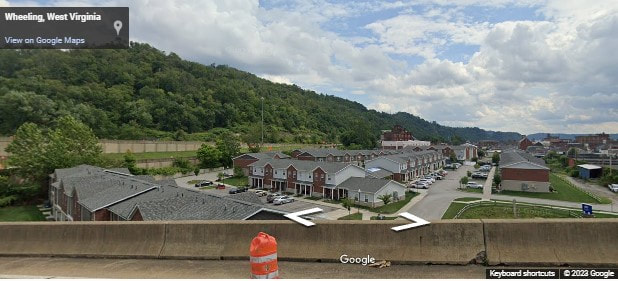
La Belle Iron Works was opened in 1852 by Bailey, Woodward and Company in Wheeling to make cut nails. In 1859 they added capacity by acquiring Jefferson Iron Works in Steubenville. By 1875, the incorporated La Belle Iron Works and Jefferson Works employed about 900 making nails, helping Wheeling become the "Nail City." However, after a major strike in 1885-86, the cut nail business declined as wire nails dominated. By 1914, La Belle was Wheeling's only cut nail maker. In 1920, La Belle Iron Works merged with Wheeling Steel and Iron Company and Whitaker-Glessner Company to form Wheeling Steel Corporation. Through later mergers it became Wheeling-Pittsburgh Steel. As steel declined in the late 1900s, Wheeling-Pittsburgh sold the nail works, renamed Wheeling-La Belle Nail Company, which operated until 2010 when the plant closed after 150+ years. The plant was demolished in 2017. (https://tinyurl.com/2s46tsz9) (https://tinyurl.com/2s45tkwk) 
Picture
Picture
Picture
Picture
Picture
Picture
Picture
0 Comments

Today in Wheeling History: September 29--Rebecca Harding Davis, Author, Journalist, and Wheeling Resident from the Age of Five to Fourteen Years Old, Died (1910)

9/29/2023

0 Comments

 
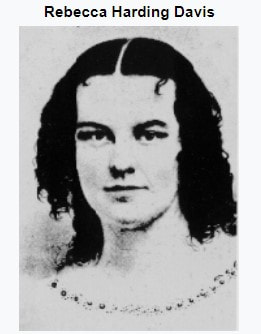
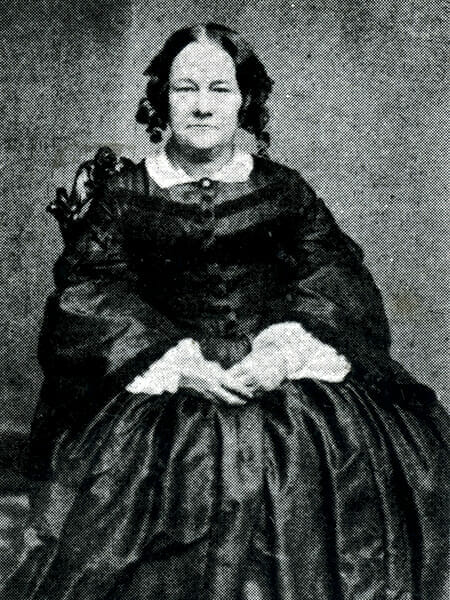
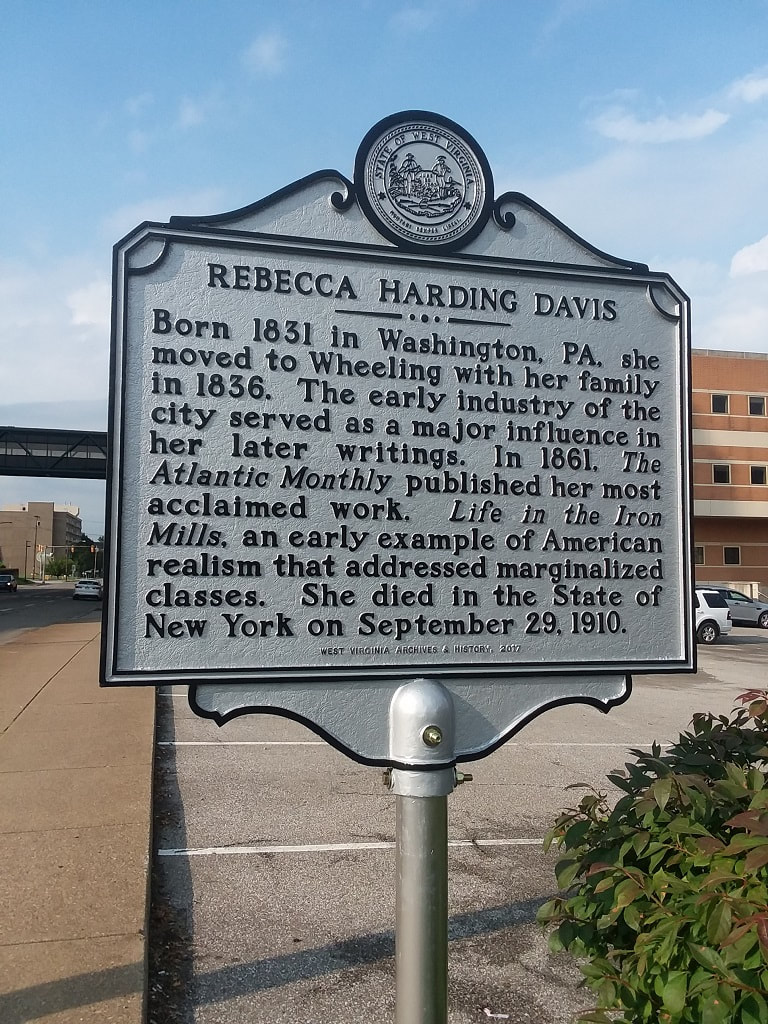
Today in Wheeling History: September 29--Rebecca Harding Davis, author, journalist, and Wheeling resident from the age of five to fourteen years old, died (1910).
 
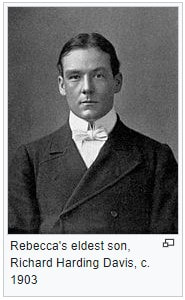
Rebecca Harding Davis lived in Wheeling from age 5 to 14. During her formative years in Wheeling, she witnessed the city transform from an idyllic Virginia village to an industrial mill town. This influenced her pioneering work in literary realism, including her acclaimed 1861 story "Life in the Iron Mills" which depicted the grim lives of immigrant industrial workers. In March 1863, during a snowstorm, Davis married L. Clarke Davis at St. Matthew's Episcopal Church in Wheeling before moving to Philadelphia. She went on to a successful career as an author and journalist fighting for human rights and reform. One of her three children was Richard Harding Davis, who became the most famous journalist of his day. (https://tinyurl.com/3fpbaubp) (https://tinyurl.com/2x8uv7aj) 
Picture
Picture
Picture
Picture
0 Comments

Today in Wheeling History: September 28--Saint John the Divine Greek Orthodox Church Held a Mortgage Burning Ceremony to Celebrate Paying Off the Loan for Their Current Church, Which Was Constructed and Dedicated Only Seven Years Before (1958)

9/28/2023

0 Comments

 
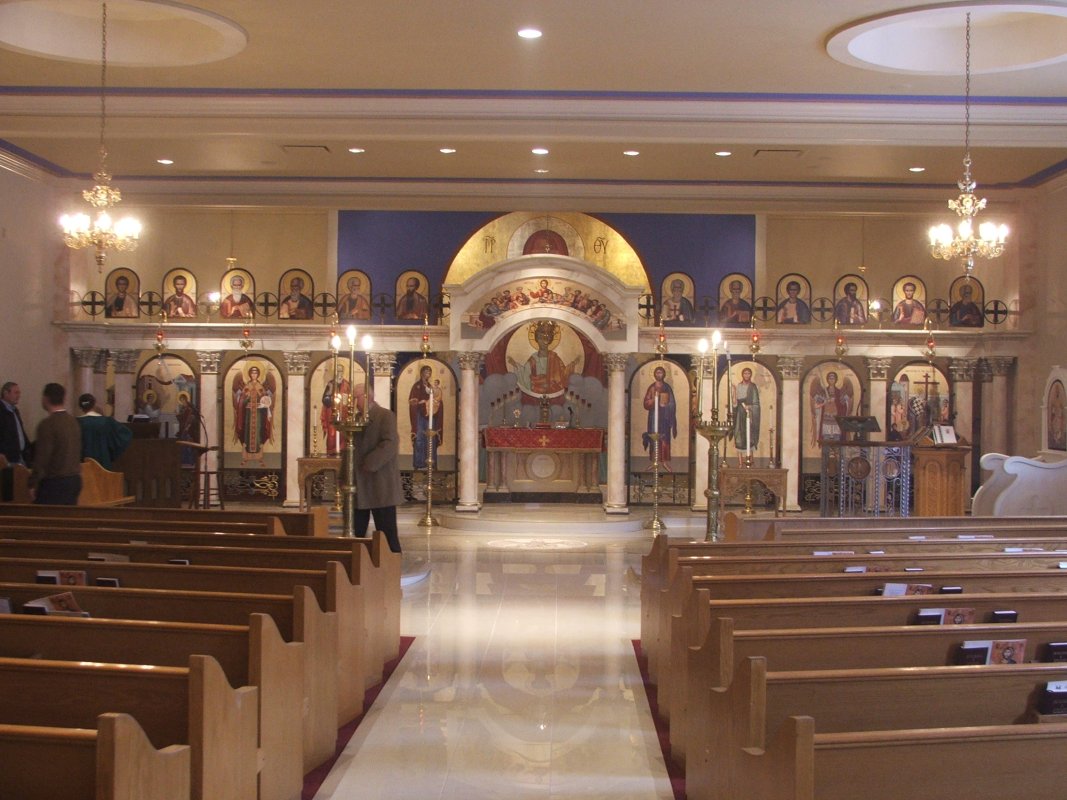
Today in Wheeling History: September 28--Saint John the Divine Greek Orthodox Church held a mortgage burning ceremony to celebrate paying off the loan for their current church, which was constructed and dedicated only seven years before (1958).
 
Saint John the Divine Greek Orthodox Church in Wheeling was established in 1913 as the second church named for Saint John in the United States and the first Orthodox church in West Virginia. The church purchased and converted a home on Market Street in 1914. The parish grew over the decades, with a Greek school, ladies society, choir, and other activities established. A new church and Hellenic Center were constructed and dedicated in 1951. The mortgage burning ceremony was held on September 28, 1958. Since then, the church has continued to serve the spiritual needs of its parishioners and the wider community. (https://tinyurl.com/42ru4bm2) (https://tinyurl.com/4w9u2272) 
Picture
Picture
Picture
0 Comments

Today in Wheeling History: September 27--William Alexander "Bill" Turner, Wheeling's first black police officer, died at his home at 114 Twelfth Street (1928)

9/27/2023

0 Comments

 
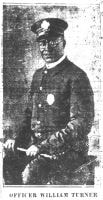
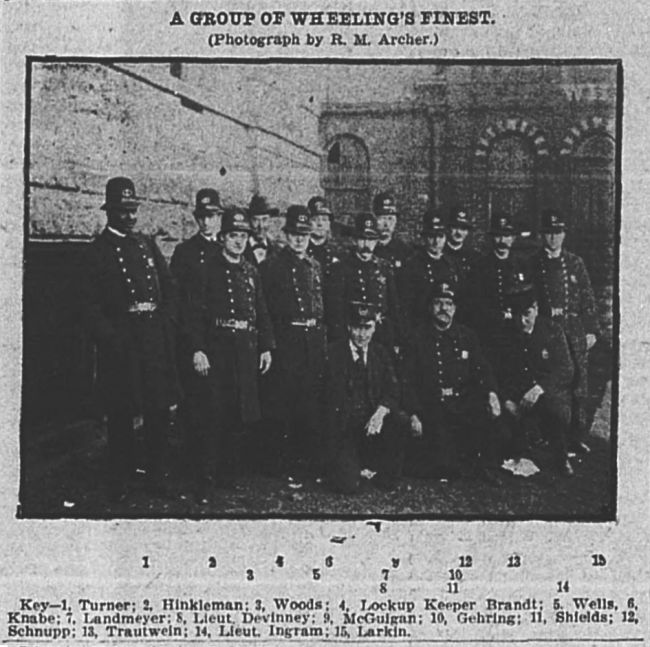
​Today in Wheeling History: September 27--William Alexander "Bill" Turner, Wheeling's first black police officer, died at his home at 114 Twelfth Street (1928).
 
William Alexander "Bill" Turner (1865-1928) was a prominent African American citizen of Wheeling, West Virginia who worked as a laborer, bartender, and barber before becoming one of Wheeling's first black police officers around 1899-1902 and again from 1919 until his death in 1928. Turner was well-known locally as a singer, baseball player and manager, Republican party activist, and member of several fraternal organizations like the Elks and Knights of Pythias. He performed heroic deeds both before and during his time on the police force, once saving a man from burning to death. When he died, Turner was honored by the Fraternal Order of Police for his 20 years of "faithful and conscientious" service on the force. (https://tinyurl.com/yrz3mpun) 
Picture
Picture
Picture
0 Comments

Today in Wheeling History: September 26--Lydia Boggs Shepherd Cruger, society hostess and one of the most notable of Wheeling's early settlers, died (1867)

9/26/2023

0 Comments

 
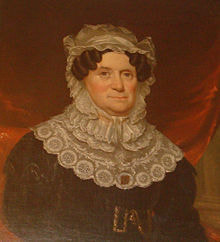
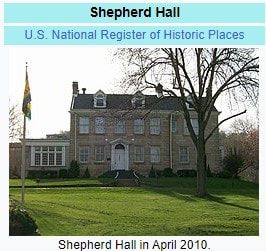
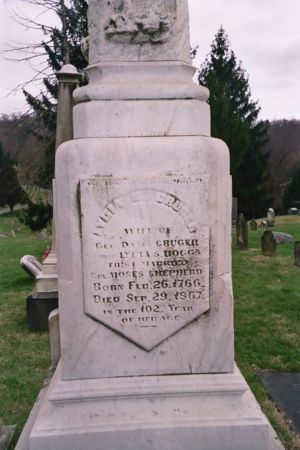
​Today in Wheeling History: September 26--Lydia Boggs Shepherd Cruger, society hostess and one of the most notable of Wheeling's early settlers, died (1867).
 
Lydia Boggs Shepherd Cruger, born in 1766 in Berkeley County, spent her childhood on the Virginia frontier, facing the dangers of Indian wars. In 1782, she married Moses Shepherd, and their business success and political influence led to great wealth. They owned Shepherd Hall (later known as Stone Mansion and now Monument Place), a stone mansion that hosted famous political figures, and played a role in routing the National Road. After Moses's death in 1832, Lydia married Daniel Cruger, a former New York congressman. In 1849, she ignited controversy by disputing Betty Zane's famous gunpowder run during the Revolutionary War, claiming it was Molly Scott. Lydia died reclusive, and Monument Place is a historic place. (https://tinyurl.com/yrfhfzkk) (https://tinyurl.com/mrxbzc24) (https://tinyurl.com/d3pxkwaf) (https://tinyurl.com/yc7zhuvz) 
Picture
Picture
Picture
0 Comments

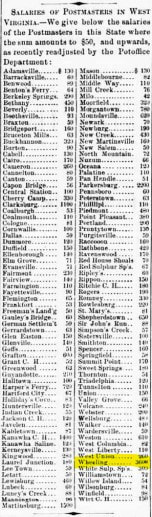
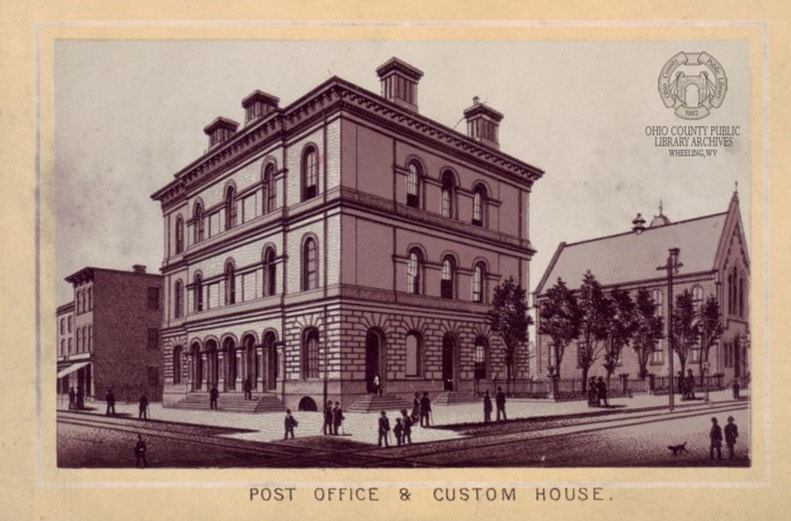
Today in Wheeling History: September 25--The "Wheeling Daily Intelligencer" reported the annual salary for the Wheeling Postmaster was $3,600 per year (1868). When adjusted for inflation, that $3,600 salary in 1868 equates to $77,837.58 in 2023 dollars.

9/25/2023

0 Comments

 
​Today in Wheeling History: September 25--The "Wheeling Daily Intelligencer" reported the annual salary for the Postmaster of Wheeling was $3,600 per year (1868). When adjusted for inflation, that $3,600 salary in 1868 equates to $77,837.58 in 2023 dollars.
 
The salaries for postmasters across West Virginia in 1868 ranged from a low of just $24 per year in Volcano up to $3,600 per year in Wheeling, with the average salary around $300 annually. Adjusting for inflation, the lowest salary equates to just $518 in 2023 dollars, while the high of $3,600 is equal to $77,837 today. The $300 average salary in 1868 has the same buying power as $6,486 in current dollars. Overall, the 1868 postmaster salaries ranged from very modest to moderately generous by modern standards when translated into 2023 dollars. The postmaster pay scale reflects the lower cost of living and economic conditions of the mid-19th century. (https://tinyurl.com/5cb6bthy) 
Picture
Picture
Picture
0 Comments

Today in Wheeling History: September 27--Riverboat "Lizzie Townsend" Left the Wheeling Wharf and Made a Trial Trip (1882)

9/24/2023

0 Comments

 
Today in Wheeling History: September 27--Riverboat "Lizzie Townsend" left the Wheeling Wharf and made a trial trip (1882).
 
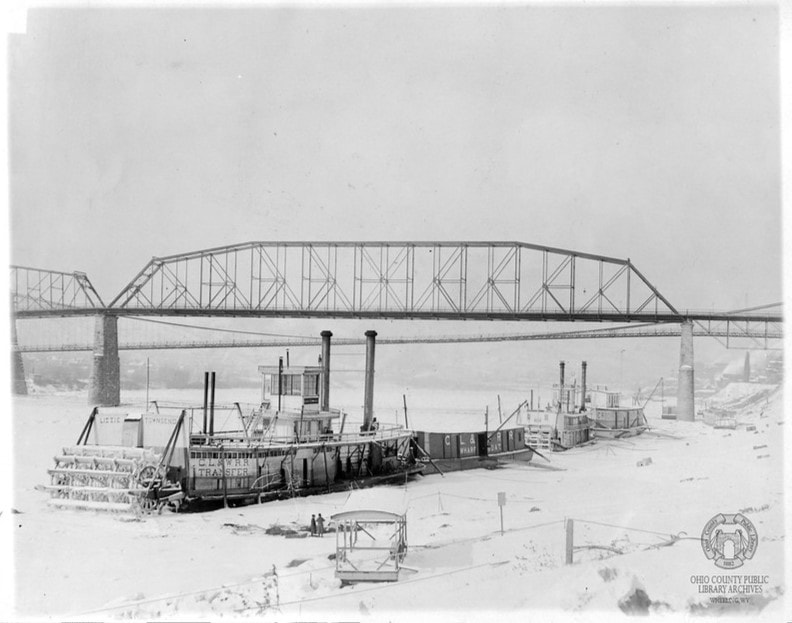
On September 27, 1882, the new riverboat "Lizzie Townsend" made its trial run from Wheeling to Bridgeport, carrying railroad officials and their wives from Cleveland. The 130-foot boat was built to transfer freight across the river for the railroad. For the excursion trip, the boat was decorated and a nice supper served onboard. During the 5-hour round trip cruise, the officials inspected the boat and machinery and enjoyed the scenery. At the end, a flag was presented as a gift from the wife of the railroad's president, for whom the boat was named. The inaugural trip and gift presentation were considered a great success.
 
The riverboat "Lizzie Townsend" was constructed in 1882 under the direction of William Dillon. She served as a transfer vessel for the Cleveland, Lorain and Wheeling Railroad, later part of the Baltimore and Ohio Railroad, moving freight cars across the river in Wheeling. After over 20 years in service, the Lizzie Townsend was destroyed in a fire on a back channel of the river on January 23, 1904. (https://tinyurl.com/2kawhvzy) (https://tinyurl.com/4ksfxwxv) 
Picture
0 Comments

Today in Wheeling History: September 24--William L. Hearn, a leading Wheeling industrialist and philanthropist instrumental in developing major industries like Riverside Iron Works and building the Hearn Tabernacle Church, was born in Delaware (1818)

9/24/2023

0 Comments

 
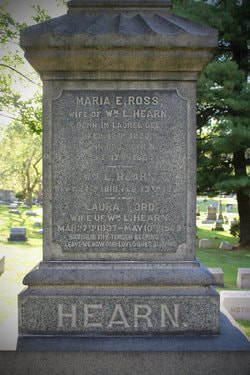
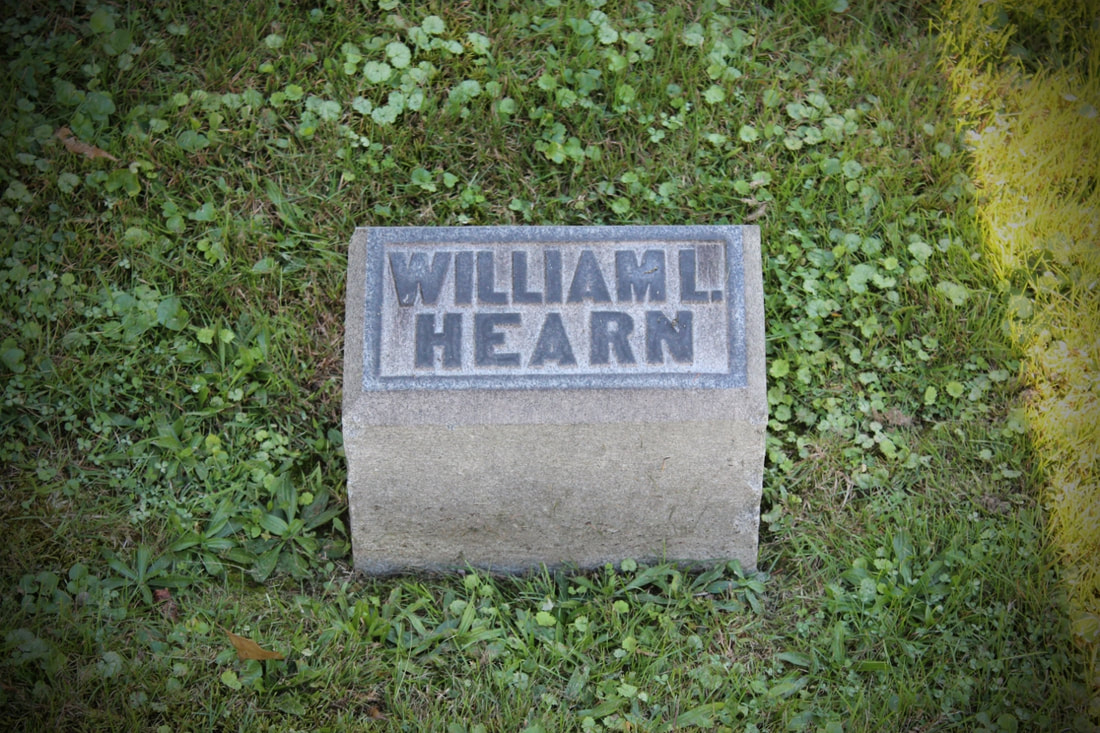
​Today in Wheeling History: September 24--William L. Hearn, a leading Wheeling industrialist and philanthropist instrumental in developing major industries like Riverside Iron Works and building the Hearn Tabernacle Church, was born in Delaware (1818).
 
William Lowder Hearn, born September 24, 1818, in Delaware, was a leading industrialist in Wheeling, West Virginia, where he moved after the Civil War. He developed major industries like Riverside Iron Works and built the nondenominational Hearn Tabernacle Church. Hearn served in the West Virginia House of Delegates and held leadership roles in several companies. When Hearn died on February 13, 1895, at age 76, his passing was deeply mourned across Wheeling's business and social circles. (https://tinyurl.com/u3a2crhr) (https://tinyurl.com/4j4eym7d) 
Picture
Picture
Picture
0 Comments

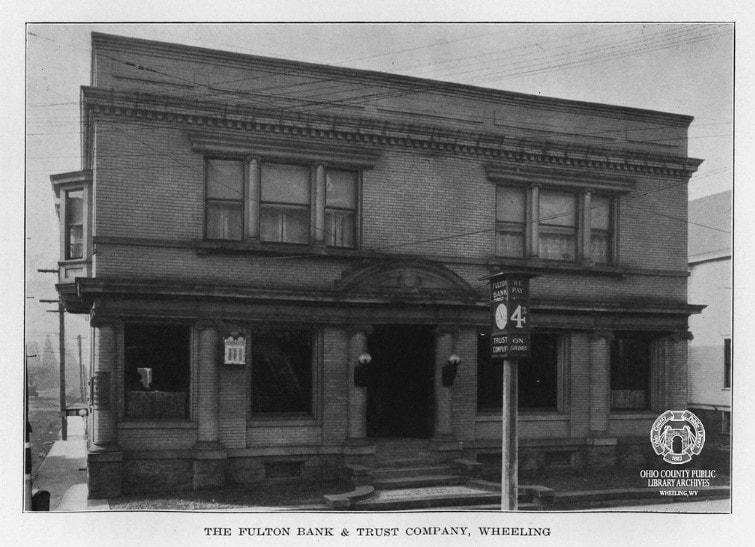
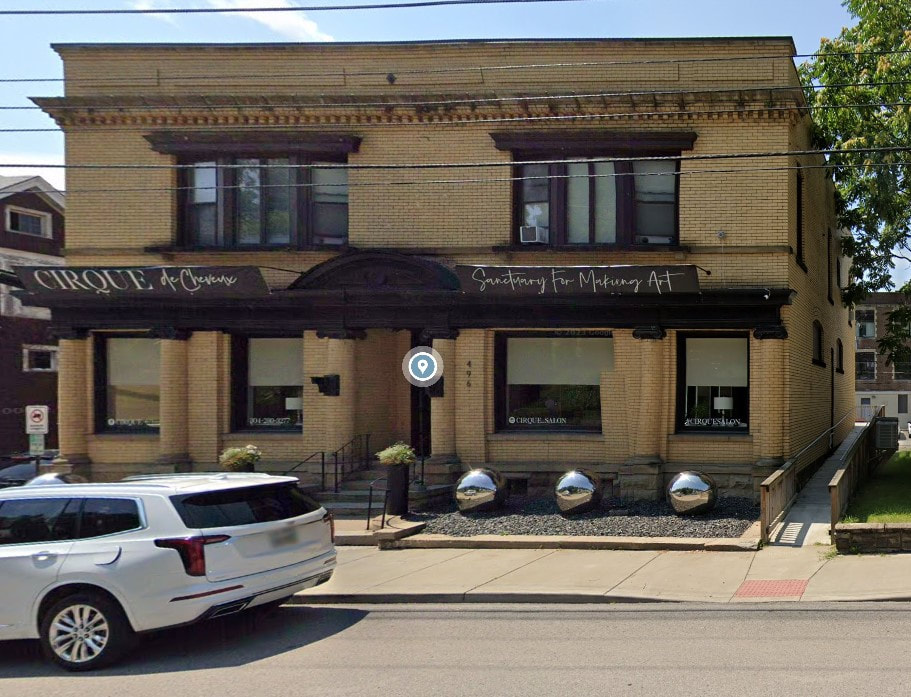
Today in Wheeling History: September 23--The Bank of Fulton receives a charter (1909).

9/23/2023

0 Comments

 
Today in Wheeling History: September 23--The Bank of Fulton receives a charter (1909).
 
The Bank of Fulton was established in 1909 in Fulton, West Virginia, by Otto Schenk, Louis Sax, Henry Roth, George Zoeckler, and H.W. Campbell with $25,000 in capital stock. In 1910, the bank constructed a new two-story, 50x54 foot building designed by Wheeling architects Giesey and Faris at Fifth Street and the National Road, costing around $10,000. The first floor housed the banking facilities while the second floor contained offices and an assembly hall. In 1920, the bank was renamed Fulton Bank & Trust Company and remained listed in Wheeling directories until 1955. For many years after, the old bank building was home to Hall of Frame. (https://tinyurl.com/mr498pep) 

Picture
Picture
0 Comments
<<Previous

    Mike Minder

    Mike Minder was born and raised in Wheeling, West Virginia. He is the author of Wheeling's Gambling History to 1976.

    Archives

    April 2025
    March 2025
    February 2025
    January 2025
    December 2024
    November 2024
    October 2024
    September 2024
    August 2024
    July 2024
    June 2024
    May 2024
    April 2024
    March 2024
    February 2024
    January 2024
    December 2023
    November 2023
    October 2023
    September 2023
    August 2023
    July 2023
    June 2023
    May 2023
    April 2023
    March 2023
    January 2013
    December 2012
    November 2012
    October 2012

    Categories

    All
    1908
    Anthony Zambito
    Anti-Gambling Bill
    Arch Riley
    Casino
    Earl Corkran
    Edward Weith
    Eric Halverson
    Erics Steak House258a865f0a
    Gambling
    Gambling Devices
    Gambling Raids
    Gambling Stamp
    Gambling Stamps
    Henry Schmulbach
    Horserace
    Horse Racing
    Mozart Park
    October 252749dd659a51
    Ohio County
    Schmulbach
    Today-in-wheeling-history
    Tony Zambito
    West Virginia
    Wheeling
    Wheelingaposs Gambling History0d9acbcb79
    Wheelingaposs Gambling History To 197650ca476ed4
    Wheeling Park
    Wheeling Police
    Wheeling Repository
    Wheelings Gambling History60ad5e7d33
    Zambito

    RSS Feed

Powered by Create your own unique website with customizable templates.